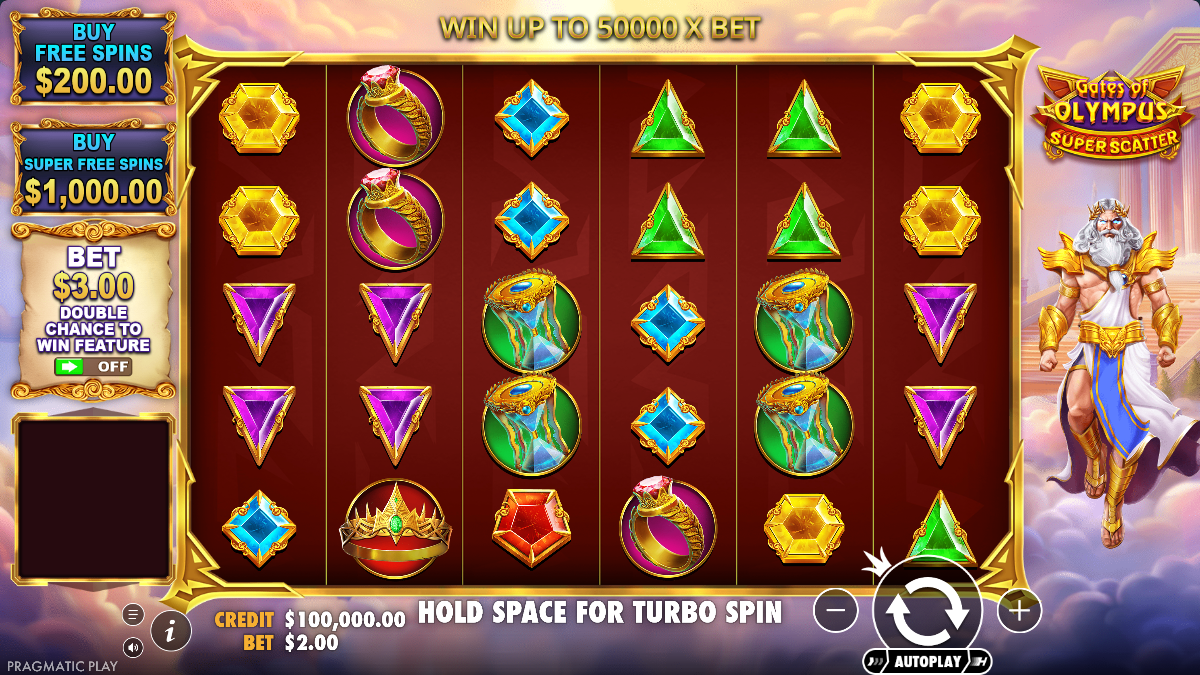
Direct Answer: Mathematically, there is no visual sign, timing pattern, or physical tell to predict when a slot machine will hit. Regulated slot machines are governed by a Pseudo-Random Number Generator (PRNG) that cycles thousands of mathematical outcomes per millisecond. Every spin is an independent statistical trial with zero memory of previous spins.
Walk through any casino floor, and you will see players studying the reels for secret clues: watching for "warm" screens, tracking how long a machine has gone without a bonus, or looking for two scatter symbols landing repeatedly.
While players desperately want to believe there is a "tell" that signals a jackpot is coming, the mathematical and regulatory reality of modern gaming proves otherwise. Here is why machines cannot be predicted, the three visual illusions casinos use, and the one legitimate exception advantage players monitor.
1. The 3 Visual Tells That Are Actually Illusions
Slot manufacturers spend millions engineering visual feedback to make players feel a payout is imminent:
| The Perceived "Tell" | What Players Believe | The Mathematical Reality |
|---|---|---|
| The "Two Scatter" Teaser | "The machine is warming up; two bonus symbols keep landing!" | Programmed Near-Miss: Reel mapping deliberately displays extra scatters on early reels to trigger dopamine without altering PRNG odds. |
| The Dry Spell ("It's Due") | "It hasn't paid in 200 spins, so a jackpot is right around the corner." | The Gambler's Fallacy: Past spins have zero bearing on future spins. The odds remain identical on every pull. |
| The Recent Big Win | "Someone just hit a handpay, so this machine is freezing cold." | As detailed in our breakdown on whether casinos reset slot machines, PRNGs cannot detect recent cashouts. |
2. How the PRNG Actually Determines Your Spin
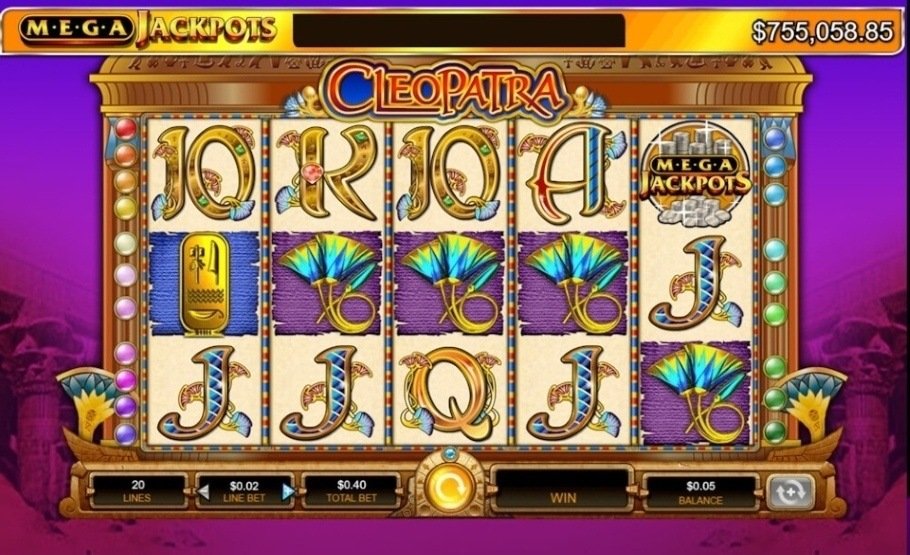
The instant you press the SPIN button, the machine's outcome is locked in within less than 1/1,000th of a second:
- The PRNG continuously generates random numerical combinations 24 hours a day, cycling through billions of outcomes.
- The spinning reels, animated suspense sounds, and slow-stopping final reels are simply an audiovisual playback screen representing numbers already chosen the millisecond you tapped the button.
- If you pressed the button just 5 milliseconds earlier or later, you would have received a completely different set of symbols.
3. The ONE Real Exception: "Must-Hit-By" Progressive Jackpots
There is only one legitimate scenario where a slot machine is mathematically "about to hit": Must-Hit-By Progressive Jackpots.
Unlike random progressives, these games state an exact mathematical ceiling on the glass (e.g., "Major Must Hit By $500.00"):
- When the progressive pool is created, the software secretly selects a random trigger value between the base amount and the cap (e.g., $498.42).
- Every wager contributes a fraction of a cent to the meter.
- If the meter reaches $495+ on a $500 cap, the game enters a Positive Expected Value (+EV) state. Advantage players actively scout these machines because the payout is guaranteed to trigger within a measurable number of spins.

4. What Actually Matters: RTP vs. Volatility
Instead of trying to predict *when* a machine will hit, sharp players evaluate the game's mathematical architecture before inserting cash:
| Metric | What It Actually Tells You | Player Impact |
|---|---|---|
| Return to Player (RTP) | The long-term mathematical payback (e.g., 96% vs 88%). | Dictates house edge. As proven in our slot denomination RTP analysis, higher coin sizes pay 5%–7% better. |
| Volatility (Variance) | The frequency and size distribution of payouts. | Low Volatility: Frequent small payouts. High Volatility: Long dry spells with large top-end jackpots. |
| Hit Frequency | The percentage of spins that return any prize (typically 20%–35%). | Includes "Losses Disguised as Wins" where you bet $3 and win back $0.80. |
5. Checklist for Smart Slot Selection
- Ignore Recent History: Never choose a machine based on whether someone recently won or lost on it.
- Check the Help Screen: Online slots and regulated terminals often list the exact RTP in the "Game Rules / Help" menu. Always target games at 96.0% or higher.
- Scout Must-Hit Meters: Look for secondary progressive meters hovering within 1%–2% of their published ceiling.
- Match Volatility to Bankroll: If you have 50 betting units, play low-volatility games; high-volatility slots require at least 200+ units to survive standard variance.
Frequently Asked Questions
Can a slot machine be due for a payout?
No. Under the Law of Independent Trials, a slot machine never enters a "due" state. If a game has not paid a bonus in 300 spins, the probability of triggering the bonus on the 301st spin is identical to the very first spin.
Do casinos place loose slots at the ends of rows?
In modern casinos, no. While older casinos occasionally placed loose games near walkways for noise, contemporary floor managers configure slot banks based on game themes and manufacturer leasing contracts rather than physical placement.
What is the only slot machine that is guaranteed to hit?
Must-Hit-By progressive slots are the only machines with a guaranteed hit threshold. If a jackpot says "Must Hit By $500" and the meter is at $497, the game logic guarantees a payout before reaching $500.00.
Summary Key Takeaways
- Standard slot machines cannot be predicted; PRNG algorithms cycle microsecond outcomes with zero memory.
- Two-scatter teasers and cold streaks are psychological near-misses, not signs of an imminent payout.
- "Must-Hit-By" progressives near their threshold are the only machines with mathematically measurable hit timing.